Complaints
How to question a car insurance rate increase
You can't negotiate a filed rate, but you can make sure it was applied correctly. Where to ask, what the insurer has to tell you, and when a complaint to your state actually changes the bill.
By Guardbrook Editorial Team Updated 7 min read
At a glance
- Ask first
- Your insurer or agent
- Credit-based increase
- Adverse action notice
- Then
- State insurance department
- Maryland deadline
- 30 days from notice
Bottom line
Start with the insurer: ask which coverages went up and why. If information from a credit report raised your price, federal law requires an adverse action notice naming the credit bureau. A complaint to your state insurance department helps most when a rule was broken or a fact is wrong: an old ticket still surcharged, credit used where your state forbids it, a discount dropped. Some states set deadlines, such as 30 days from the notice in Maryland. You can also read the insurer's rate filing, check its complaint record, and compare quotes while you wait.
Ask the insurer what changed
Put your renewal next to last term's declarations page and find the coverages that went up. Then ask the insurer or agent, in writing if you can, for the reasons. A useful question is whether the increase comes from a rate change for everyone in your class, or from something about you: a ticket, a claim, a new driver, a new address, a lost discount or your credit.
- Credit. Under the Fair Credit Reporting Act, when information in a consumer report leads an insurer to charge you more, it must tell you, name the credit bureau that supplied the report and tell you how to get a free copy. Several states also require the main reasons; Washington and Maine, for example, require up to four.
- Surcharges. Ask which violations or claims are on the policy, the date of each, and when each surcharge ends.
- Discounts. Ask which discounts applied last term and which are gone, such as a course discount whose three years ran out.
- Errors. Ask for the driving record and claims report the insurer used if anything looks wrong.
Our guide to why your premium went up lists the usual causes on both sides. If the answer is a rate increase that applies to everyone, a complaint is unlikely to change your bill, and shopping is the quicker fix.
When a state complaint can change the bill
State insurance departments oversee rates and enforce the rules on how insurers apply them. They don't set your individual price, but they can make an insurer correct one that breaks a rule. Examples of rules a complaint can enforce:
- Maryland: an insurer can't raise your rate over an accident or violation more than three years old. If a renewal increase stems from a claim or ticket, you can complain within 30 days of the notice; if the Maryland Insurance Administration finds it improper, the insurer must refund the overpayment.
- Credit at renewal: Maryland, New York and Pennsylvania don't let insurers raise a renewal premium because of credit, and Oregon allows renewal re-rates only on other factors, apart from a re-rate you ask for or a corrected dispute.
- Georgia: to contest a nonrenewal, send the Commissioner a written request for review within 15 days of the notice.
- Texas: rates aren't approved before use, but if TDI later finds a rate excessive it can order refunds to the policyholders who were overcharged.
Rate review is also widening. Illinois Senate Bill 714 (Public Act 104-0753), signed by the governor on August 4, 2026 and taking effect July 1, 2027, requires insurers to justify their auto rates and lets the Department of Insurance object to rates that are excessive, inadequate or unfairly discriminatory. It also requires at least 30 days' notice before a renewal increase of more than 10%, NPR Illinois reported.
How to file a complaint
- Give the insurer a chance first. Several regulators, Michigan's among them, ask you to try the insurer or agent before filing.
- Gather the papers: the renewal notice, last term's declarations page, the insurer's written answer and any adverse action notice.
- File online with your state insurance department, or by phone or mail. Say what you think is wrong and what you want, such as a corrected premium or a refund.
- Watch for deadlines, such as Maryland's 30 days for an increase caused by a claim or ticket.
- Keep shopping while the complaint runs; a quote from another insurer is still the quickest way to a lower price.
| State | Where to call | What to expect |
|---|---|---|
| Maryland | MIA Property and Casualty complaints, 410-468-2340 or 800-492-6116 ext. 2340 | Online filing preferred |
| Texas | TDI Help Line, 800-252-3439 | Weekdays 8 a.m. to 5 p.m. Central; complaints online |
| California | CDI consumer hotline, 1-800-927-4357 | Complaints also online |
| Indiana | IDOI Consumer Services, 1-800-622-4461 | The company has 20 business days to answer the department in writing |
| Iowa | Iowa Insurance Division, 515-654-6600 | Allow 30 to 45 days |
| West Virginia | OIC consumer services, 1-888-879-9842 | Signed complaint; an inquiry usually takes about 60 days |
Every state cost page lists its regulator; start from the map of all states if yours isn't above.
Read the rate filing yourself
Insurers send rate changes to state regulators, and many states make the filings public through SERFF Filing Access, a site where you can look up an insurer's rate and policy-form filings. Washington's Office of the Insurance Commissioner suggests exactly that if your renewal jumps: find your insurer's filing to see what it asked the state to approve. Nebraska's Department of Insurance links to the same system.
Some states open the process to comments. In West Virginia, the Insurance Commissioner must publish a notice in the State Register and online for an auto liability increase of 15% or more, and consumers may comment until it acts. California publishes notices of rate filings under the prior-approval rules that grew out of Proposition 103.
Check the company's complaint record
Before you renew or switch, see how the company treats other customers. The NAIC's Consumer Insurance Search shows each insurer's complaint record and a complaint index comparing it with others of its size. Several states publish their own: Illinois posts complaint ratios for companies with 10 or more auto complaints, Missouri a Complaint Index, Louisiana an online complaint index, and New York ranks auto insurers by upheld complaints.
If the record looks poor and the increase stands, the answer may be another company. Get three or more quotes on the same coverage and compare them line by line.
Questions drivers ask
Can I dispute a car insurance rate increase?
You can ask the insurer to explain it and correct mistakes, and complain to your state insurance department if a rule was broken. A filed rate applied correctly usually can't be negotiated down.
Does my insurer have to tell me why my premium went up?
If a credit report contributed, federal law requires an adverse action notice naming the credit bureau, and many states require the main reasons. Ask the insurer in writing for the other causes.
Where do I complain about my car insurance company?
To your state insurance department, online or by phone. Your state cost page names the regulator and its consumer line.
How long does an insurance complaint take?
It varies by state. Iowa says to allow 30 to 45 days, West Virginia says an inquiry usually takes about 60 days, and Indiana gives the company 20 business days to answer the department.
Where the figures come from
- 15 U.S.C. § 1681m — Requirements on users of consumer reports (adverse action)
- Maryland Insurance Administration — Automobile insurance rates
- Maryland Insurance Administration — A Consumer Guide to Auto Insurance
- Texas Department of Insurance — Auto insurance guide
- California Department of Insurance — Automobile insurance guide (February 2025)
- California Department of Insurance — Property and casualty rate filings
- New York DFS — Auto Insurance resource center (credit, complaint rankings)
- Pennsylvania Insurance Department — Auto insurance
- ORS 746.661 — Use of credit history or insurance score (text via Oregon Public Law)
- Missouri Department of Commerce and Insurance — Automobile insurance
- Louisiana Department of Insurance — Auto insurance
- Georgia Office of Commissioner of Insurance and Safety Fire — Guide for Automobile Insurance
- Indiana Department of Insurance — Complaints
- Iowa Insurance Division — File a complaint
- West Virginia Offices of the Insurance Commissioner — Property and casualty consumer services
- Michigan DIFS — Auto insurance frequently asked questions
- Washington State Office of the Insurance Commissioner — How we review auto and homeowner rates
- Washington State Office of the Insurance Commissioner — Credit scores and insurance
- 24-A M.R.S. §2169-B — Use of consumer reports in insurance underwriting (Maine)
- SERFF Filing Access — Nebraska rate and form filings
- NAIC — Consumer Insurance Search (complaints and licensing)
- Illinois Department of Insurance — Auto insurance shopping guide
- Office of the Governor — Gov. Pritzker signs insurance reforms (HB 4273 and SB 714, Aug. 4, 2026)
- LegiScan — Illinois SB 714 (Public Act 104-0753): status and effective date
- NPR Illinois — Pritzker signs bills allowing state to review insurance rate hikes (August 4, 2026)
Facts on this page were checked against these sources on October 26, 2026. Phone numbers and complaint timelines are as each state regulator published them; each state cost page lists its regulator.
Read next
-

Shopping guide
Why your premium went up
Market-wide changes vs. your own record. The price index fell 5.0% to September 2026; yours may not have.
-
Price factor
Credit-based insurance scores
Allowed in most states, barred from auto rates in CA, HI, MA and MI. Your rights when credit raises the price.
-
State cost
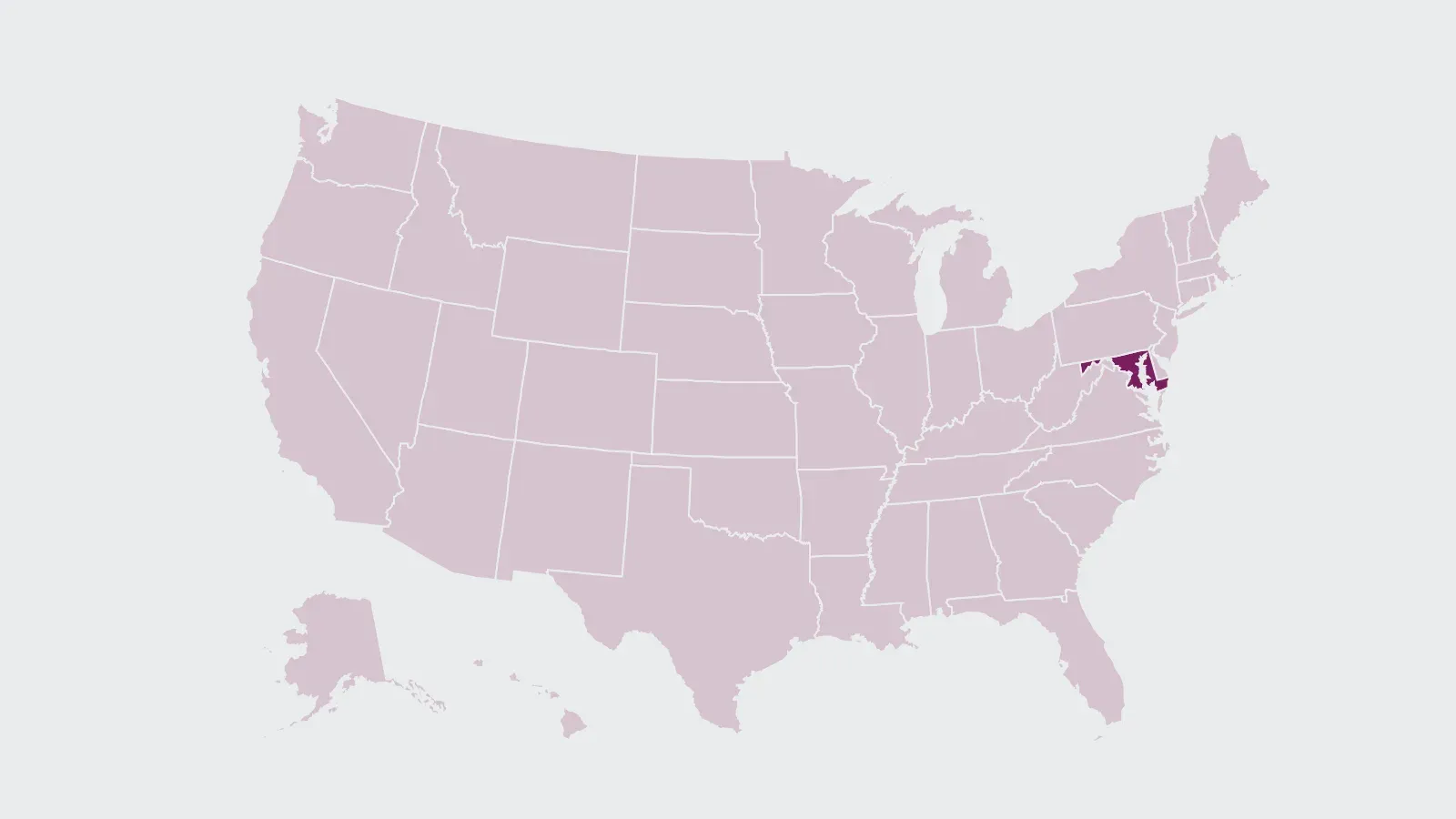
Maryland
$1,477 average spend in 2023 (+15% vs. U.S.); full coverage $1,602; 30/60/15 minimum; PIP unless waived.